
Private Fire Hydrant Testing & Flow Testing
Keeping your site’s firefighting water supply available when it is needed. Thorough testing, clear records and practical advice across Dorset, Hampshire and Wiltshire.
Why Choose Us
Straightforward Fire Safety
We inspect, test and report on private fire hydrants for commercial sites, managed properties, industrial estates, warehouses, education settings and other premises with their own firefighting water supply.
A hydrant can look accessible and still fail to provide adequate water flow or pressure when the fire service needs it. The only sensible approach is planned inspection, testing and accurate records.
Whether you need an annual inspection, a hydrant flow and pressure test, a condition report following site works, or straightforward advice on remedial action, we handle it.
No overselling, no unnecessary costs.
10th
Experience
What Our Testing Covers
Testing is carried out in line with the site’s fire strategy, the equipment installed and the relevant requirements of BS 9990. Where a hydrant is supplied from the water mains, testing must be planned with the relevant water supplier before work begins.
On a routine inspection and flow test we check:
Access, Cover & Identification
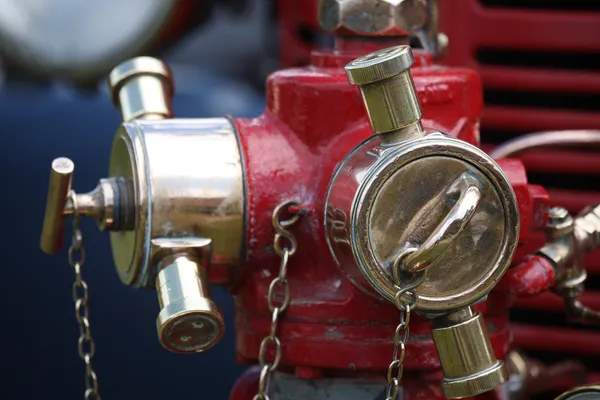
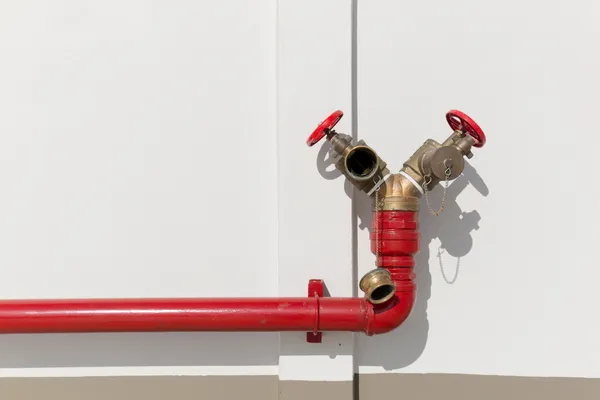
We check that the hydrant is accessible, correctly identified and free from obstruction. For underground hydrants, this includes the pit, frame, cover, surrounding surface and hydrant indicator plate. For pillar hydrants, this includes the body, outlets, caps and visible condition.
Outlet & Connection Condition
We inspect the outlet, thread, cap and connection points for damage, wear, contamination or corrosion. We also check that the correct standpipe connection can be made safely and that the hydrant can be used by attending fire crews.
Flushing & Valve Operation
We operate the hydrant, where appropriate, to flush the outlet and identify obvious issues with water quality, debris, restricted flow or valve operation. We check that drain and frost-protection arrangements are operating correctly where fitted.
Flow & Pressure Testing
Using appropriate test equipment, we measure and record the available flow and pressure at the outlet. This establishes whether the hydrant is delivering a usable supply and provides a clear record for site fire-safety management.
Test Records & Remedial Advice
We provide written test records, document defects and set out any recommended next steps. If we identify damaged covers, inaccessible hydrants, poor flow, leaks, drainage issues or other defects, you receive a clear, prioritised report rather than a vague recommendation.
When Do You Need Repair or Further Investigation?
Not every test result means the hydrant needs replacing. We will tell you honestly what can be repaired, what needs further investigation and where the issue may sit with the wider water supply rather than the hydrant itself.
When maintenance or repair is the right call
If the hydrant itself is sound but has an obstructed pit, damaged cover, worn outlet cap, compromised signage or a minor valve issue, targeted remedial work is usually the practical option. Small defects matter because they can delay fire-service access at the point of need.
When further investigation or replacement makes more sense
We will recommend escalation when testing identifies restricted flow, inadequate pressure, a significant leak, a seized valve, structural damage, persistent drainage issues or a defect in the wider private water-main network. Where the site’s water supplier, civil contractor or specialist network provider needs to be involved, we will set this out clearly.
10th
Experience
Legal and Operational Requirements
For private fire hydrants, responsibility usually sits with the owner, occupier or party responsible for the site’s fire precautions. Article 17 of the Regulatory Reform (Fire Safety) Order 2005 requires the Responsible Person to ensure that relevant fire-safety equipment and devices are subject to a suitable system of maintenance and kept in efficient working order and good repair.
Private hydrants need a planned maintenance regime. BS 9990 is the recognised UK code of practice for non-automatic fire-fighting systems in buildings. It provides the technical benchmark for inspection and testing arrangements. A competent annual test normally includes inspection, flushing, connection checks and recording the hydrant’s flow and pressure.
Coordinate with the water supplier. Where hydrants are supplied from the mains, arrangements should be made with the water company before testing. This avoids avoidable disruption and ensures the test is managed safely.
Keep records. A credible record should show the test date and time, the person carrying out the work, results, relevant site conditions, defects found, required follow-up action and the outcome of any retest. These records demonstrate that the site is managing its firefighting water supply properly.
We take the administration out of the process. We provide clear test reports, identify urgent actions and give you a usable maintenance record for your fire-safety file, insurer or facilities-management system.
Covering Your Area

Bournemouth
Southampton
Portsmouth
Chichester
Guildford
Basingstoke
Andover
Romsey
Winchester
Salisbury
Christchurch
Poole
Weymouth
Shaftesbury
Dorchester
& Beyond . . .

Who We Work With
We work with businesses and property managers across the South. Our clients include:
• Commercial offices and business parks
• Warehouses and industrial units
• Retail units and hospitality venues
• Landlords and managing agents
• Schools, care homes, and public buildings
• Tradespeople and small workshops
If you're responsible for fire safety on a premises, we can help.
10th
Experience
Frequently Asked Questions
How often should private fire hydrants be tested?
Private fire hydrants should be included in a planned maintenance regime and tested at least annually by a competent person, with the exact frequency informed by the site fire strategy, risk assessment and applicable standards. A proper annual test includes inspection of the hydrant and its access, flushing the outlet, checking the connection and measuring the available flow and pressure. The results should be documented for the site fire-safety record.
What does a fire hydrant flow test measure?
A fire hydrant flow test measures the quantity of water available from the hydrant and the pressure at the outlet while water is flowing. This helps establish whether the private hydrant can provide a usable supply for firefighting and identifies issues such as restricted flow, pressure loss, valve problems or defects in the wider private water-main network. The test result should be recorded alongside the site conditions and any remedial actions required.
Who is responsible for testing a private fire hydrant?
The person or organisation responsible for the site is usually responsible for maintaining private fire hydrants. This may be the building owner, facilities manager, landlord, managing agent or occupier, depending on the lease and site arrangements. Under the Regulatory Reform (Fire Safety) Order 2005, the Responsible Person must ensure that relevant fire-safety equipment is maintained in efficient working order and good repair. Public hydrants on adopted roads are normally the responsibility of the local water company, not the site operator.
GET A FREE QUOTE
Contact Us
Get a No Obligation Quote
Not sure what fire safety services your business needs? Fill in the form and we'll help you work it out. We'll ask the right questions, assess what's required, and send you a clear quote with no obligation.
Whether you need a one-off service or ongoing support, we'll give you a straightforward price and explain exactly what's included. No pressure, no surprises.




Get expert fire safety support with over 30 years of experience across Dorset, Wiltshire, Hampshire and beyond. You'll receive a free site survey and only ever be recommended what you genuinely need.
No overselling, no unnecessary costs.
Pages


© 2026 Abbey Fire Extinguishers - All Rights Reserved.